
Mega-project governance: a city management entity and revenue model
PROPERTY, INFRASTRUCTURE & CONSTRUCTION · OPERATING MODEL · GOVERNANCE
The situation
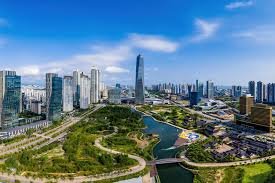
A sovereign development authority launched a multi-billion-dollar master-planned community to attract residents, business, and visitors. Declared an investment zone, it had no defined legal administration, planning jurisdiction, or entity to run its public infrastructure, with demand projected to pass 355,000 occupants. The master developer was a commercial, profit-driven body, so having it enforce regulation, land registries, and civic complaints would conflict with the private developers on the site, and relying wholly on existing public providers risked capacity limits and a service standard below the development's ambition.
The work
We designed a purpose-built management body, benchmarked against international city models, across planning, operations, community, and corporate services.
Benchmarked leading municipal models and built a five-stage decision tree to allocate each of twenty-one urban service streams between direct oversight, private providers, and existing public authorities.
Structured the management organisation as an independent, not-for-profit entity separate from the developer, with an independent board and four delivery pillars carrying their own service levels.
Designed a self-funding revenue model: community charges tied to service cost, usage tariffs proportional to utility and transport use, transfer fees on investors, and sinking-fund rules ring-fencing surpluses for reinvestment.
Set the split between the developer's up-front infrastructure capital and the entity's long-term operating and maintenance cost.
The outcome
An operational blueprint, service catalogue, and general-manager onboarding ready before first residents.
A self-funding revenue engine that moved the project off continuous parent financing.
An integrated data and governance model across developers, the board, and public partners.